The Sydney Basin: Why This City Sits on Some of Australia's Best Bore Water
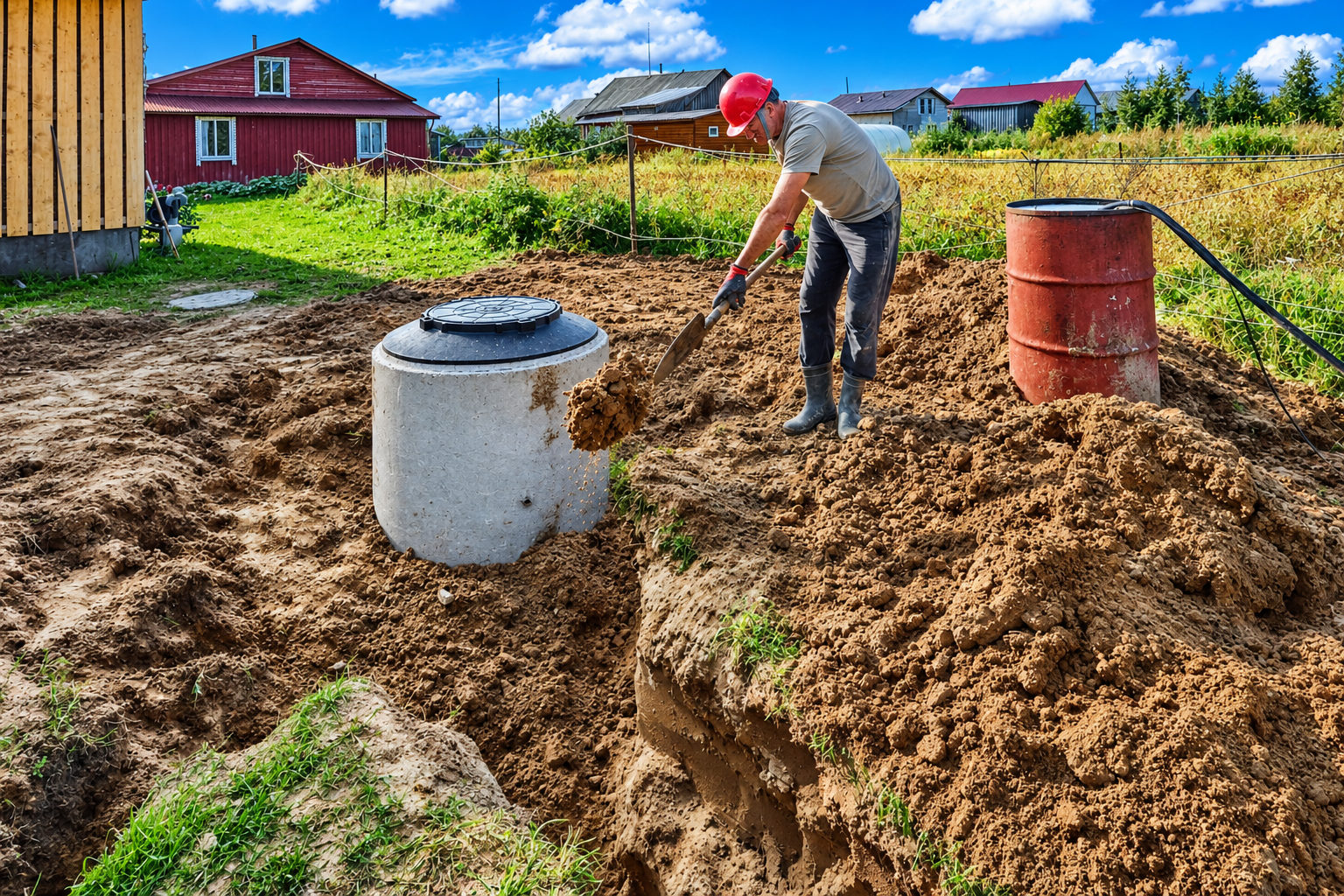
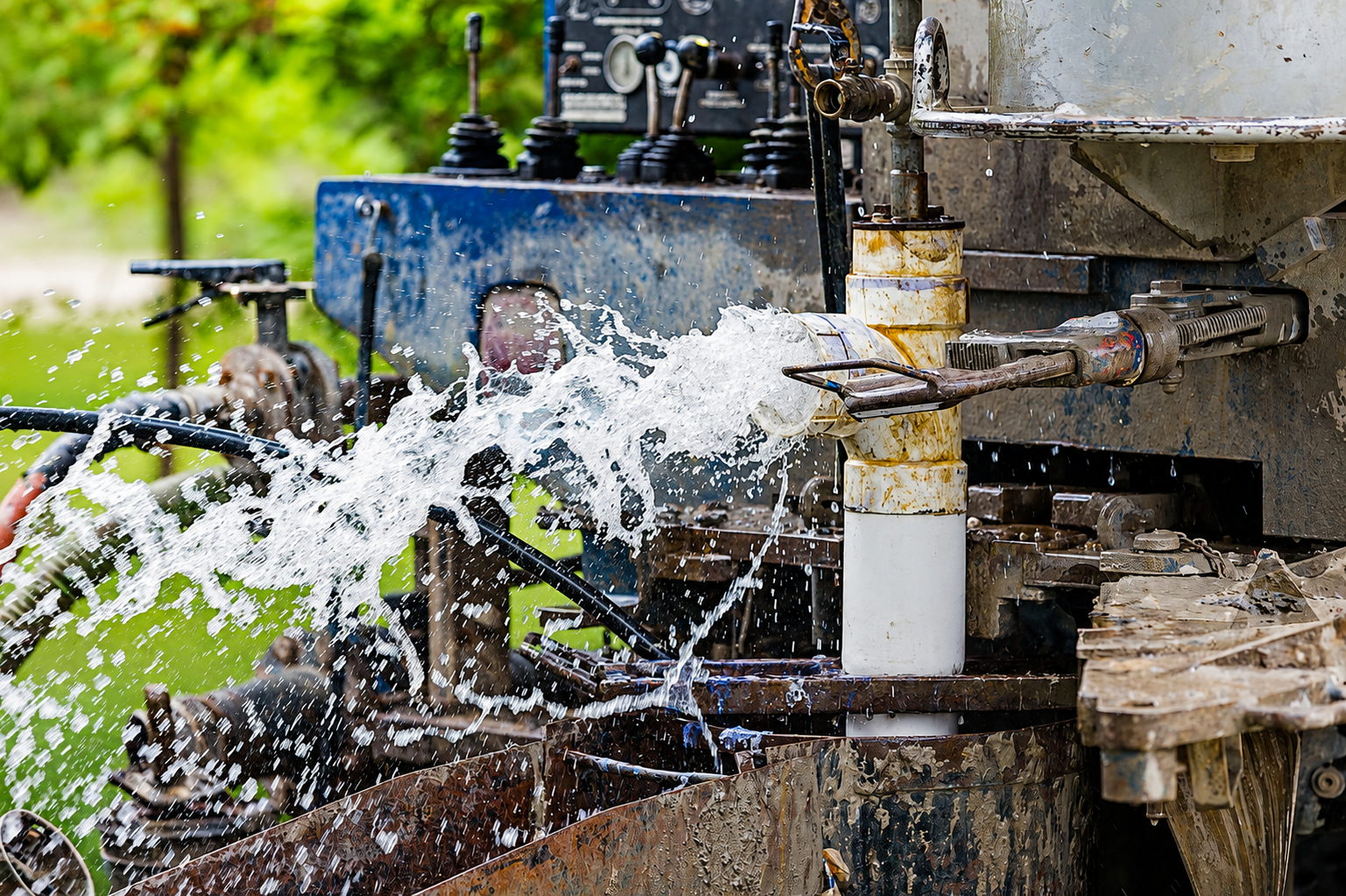
If you've ever watched a bore-drilling rig pull up outside a neighbour's house and wondered what exactly it's drilling into, the answer is more interesting than you might think. Sydney isn't just built on any old ground; it's built on top of one of the most reliable groundwater systems in the country. That's a big part of why bore drilling has quietly become so common across Sydney backyards, from the Sutherland Shire to the Hills District and out towards Badgerys Creek.
What Is the Sydney Basin, Exactly?
The Sydney Basin is a geological formation that stretches along the New South Wales coast from around Batemans Bay in the south, up through Sydney, and north to Newcastle, reaching as far west as the Blue Mountains. Underneath most of that footprint sits a thick layer of sandstone known as the Hawkesbury Sandstone, the same golden-toned rock you can see in sandstone cuttings, retaining walls, and coastal cliffs all over the city.
This sandstone isn't solid all the way through. It's naturally fractured, with cracks, joints, and bedding planes running through it, which act like a network of underground channels. Rainwater soaks in through the surface, particularly in the Blue Mountains and along river valleys, and works its way down into these fractures, filling them up like a giant, slow-moving underground reservoir. That reservoir is what a bore drilling rig taps into when it puts a bore down on a Sydney property.
Why the Hawkesbury Sandstone Makes Such Good Bore Water
Not every rock underneath a city is good news for bore water. Some layers, like the Wianamatta Group shales found across parts of the Cumberland Plain in Western Sydney, tend to hold onto highly saline, low-yield water that isn't much use for anything. The Hawkesbury Sandstone is a different story. Because it's fractured and porous, it generally holds groundwater of good quality within its natural structure, and it recharges reasonably well over time as rainfall works its way down through the rock.
That's not to say every bore is created equal. Water quality and yield can vary a fair bit depending on depth, location, and which layer of rock a bore actually connects to bores placed near the coast or close to shale-heavy zones can pick up higher salinity, while ones further inland or over the Blue Mountains plateau tend to tap cleaner, better-recharged water. This is exactly why a proper site assessment before drilling matters so much. It's the difference between a bore that performs well for decades and one that disappoints from day one.
Alluvial Aquifers: The Other Water Source Under Sydney
Sandstone isn't the only water-bearing ground in the Sydney region. Along the valleys and floodplains of rivers like the Nepean, Hawkesbury, and Georges River, there are also shallower alluvial aquifer layers of sand and gravel deposited by the rivers themselves over thousands of years. These respond quickly to rainfall and can offer strong yields, which is one reason bore water drilling is particularly common in areas like the Western Sydney river flats near Badgery's Creek and Penrith. Further south, the geology shifts again if you're closer to the coast; our guide to bore water services in Wollongong covers how the Illawarra Escarpment changes what's happening underground.
What This Means If You're Considering a Bore
The geology under your property has a direct, practical impact on three things:
- Yield — how much water your bore can reliably produce, which depends on how well-fractured and connected the rock is beneath your specific block.
- Quality — whether the water is fresh enough for garden use, washdown, or (with the right filtration) household use, which depends on depth and proximity to saline-prone layers.
- Depth — how far a rig needs to drill to reach a productive layer, which affects both timeframe and cost.
This is why bore drilling isn't a one-size-fits-all job and why generic advice from a Google search doesn't always hold up on the ground. A property in Sutherland Shire, sitting closer to the coast, can behave very differently underground from a block out near Badgerys Creek on the western river flats. Local knowledge of how the Sydney Basin behaves suburb by suburb, the kind our team draws on across all our service locations, is what separates a bore that delivers reliable water for years from one that underperforms. And once your bore is drilled, the right water pump setup matters just as much as the drilling itself for getting consistent pressure and flow out of it.
The Takeaway
Sydney's position on top of the Hawkesbury sandstone is a genuine geological advantage, one that's made bore water a practical, cost-effective option for thousands of homes and properties across the region. But tapping into it properly still comes down to understanding exactly what's happening underground on your particular block, not just the suburb next door.
If you're curious what's really underneath your backyard, a site assessment is the best place to start. It'll tell you what depth you're likely looking at, what water quality to expect, and whether a bore makes sense for your property before any drilling begins. Get in touch with our team to book yours.
Frequently Asked Questions
How deep do bores usually need to go in the Sydney Basin?
It varies significantly by location. Some properties sitting over shallow alluvial deposits near river valleys can strike usable water at a modest depth, while others need to drill well into the fractured Hawkesbury Sandstone to reach a productive zone. There's no reliable rule of thumb across the whole city; it comes down to what's underneath your specific block, which is exactly what a site assessment is for.
Does my suburb affect whether bore water will be any good?
Yes, quite a bit. Properties further inland or over the Blue Mountains plateau tend to sit above better-recharged sandstone, while coastal areas or spots near shale-heavy ground can pick up higher salinity. This is also why conditions differ so much between, say, a Sutherland Shire block and one out near Badgerys Creek.
Can I drink bore water straight from the ground in Sydney?
Not without testing and, in most cases, filtration. Even where the Hawkesbury Sandstone produces good-quality water, mineral content and salinity can vary enough that it needs treatment before it's suitable for drinking. It's generally safe and reliable for garden use, washdown, and stock straight away, with drinking water requiring an extra filtration step.
Will drilling a bore affect my neighbours' water or the local water table?
A single, properly sited residential bore drawing at typical household rates is very unlikely to have any noticeable effect on surrounding properties. The fractured sandstone aquifer beneath Sydney is extensive and slow-moving, and a licensed drilling team will size and site your bore appropriately as part of the assessment process.
You might also like